
FINITE EXPANSES
Excursion to the Heligoland Dune with the Spotting Scope 20-60x80 ED
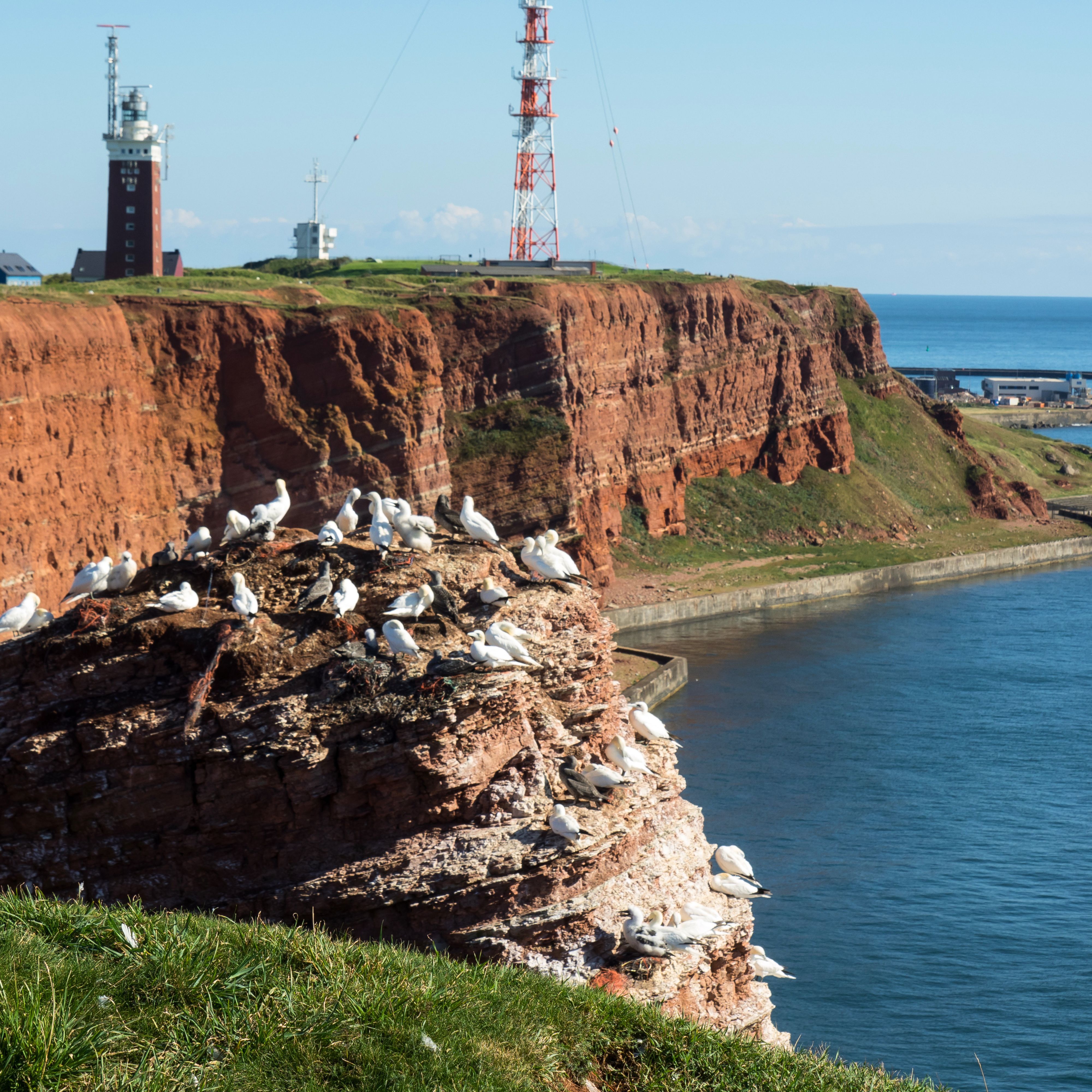
Germany's only offshore island has only one subsidiary island – the Heligoland Dune. Surrounded by fine sandy beaches, it is home to a rich variety of birds. The ideal destination for the MINOX excursion on the second day of the Heligoland Bird Days 2025.
The island next to the island
Until the New Year's flood of 1721, there was only one large island, but the storm surge tore away the connecting stone wall and separated the secondary island, now known as the dune, from the main island. Today, the uninhabited island, which is only about 70 hectares in size, can be reached by a small dune ferry. It shuttles between the main island and the smaller island every half hour.
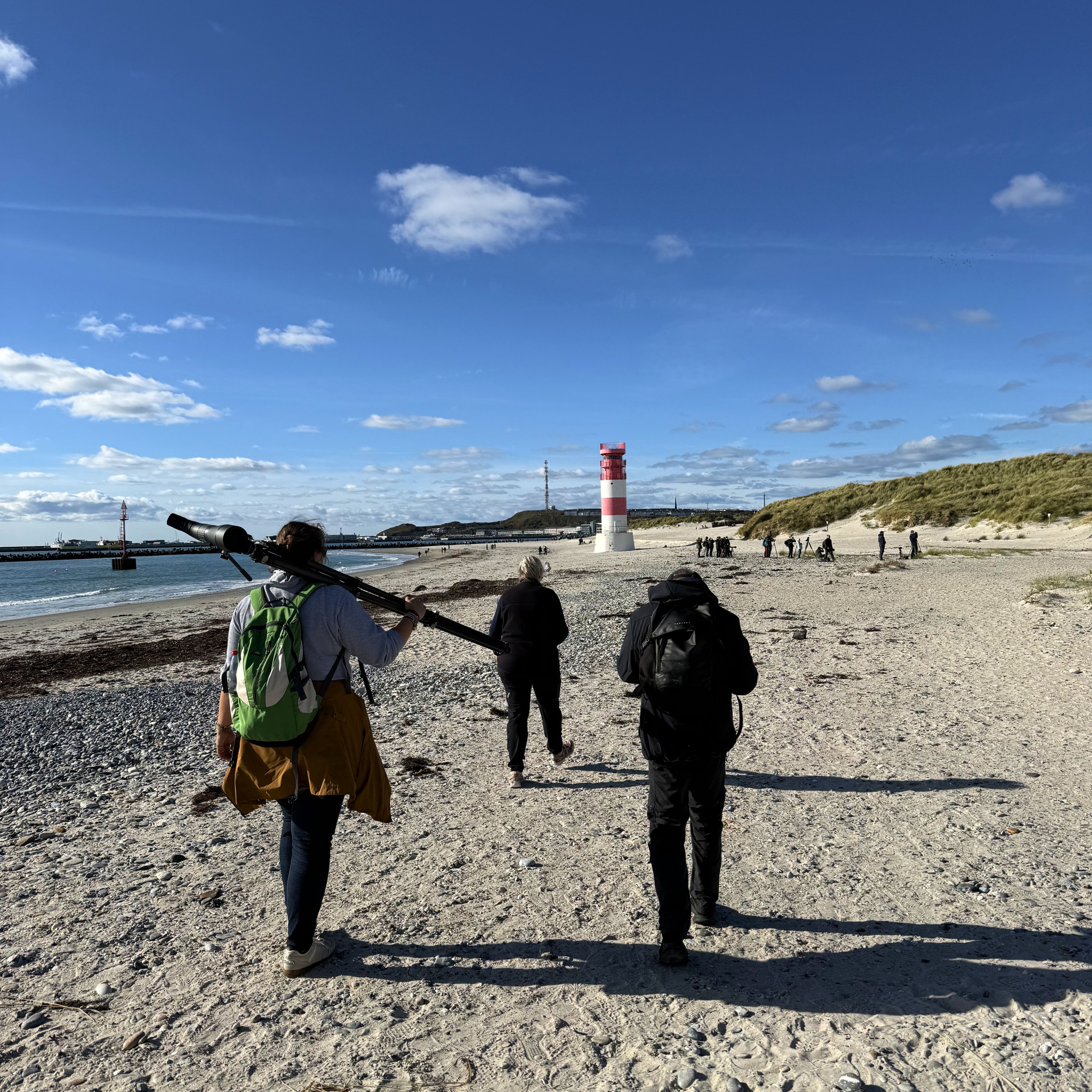
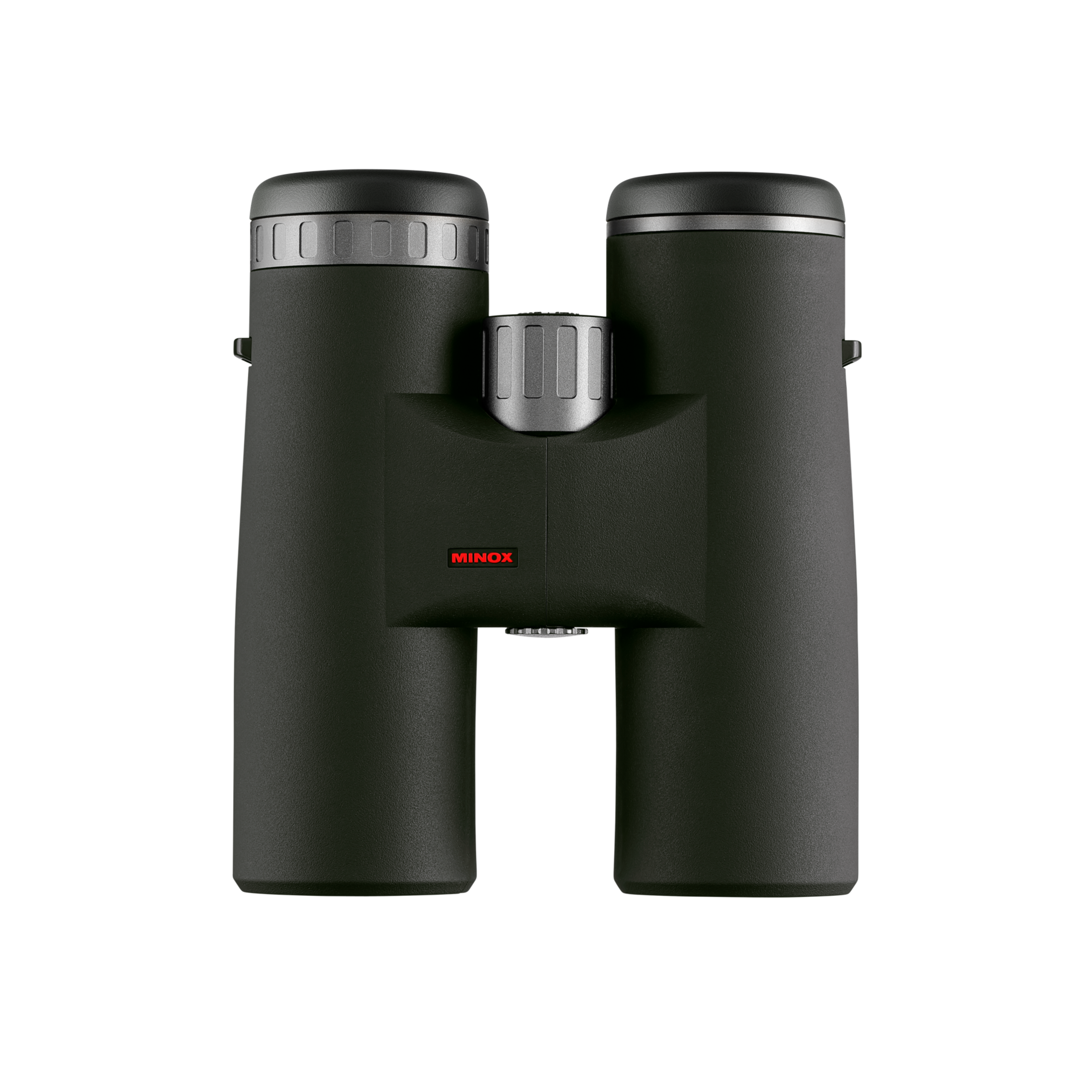
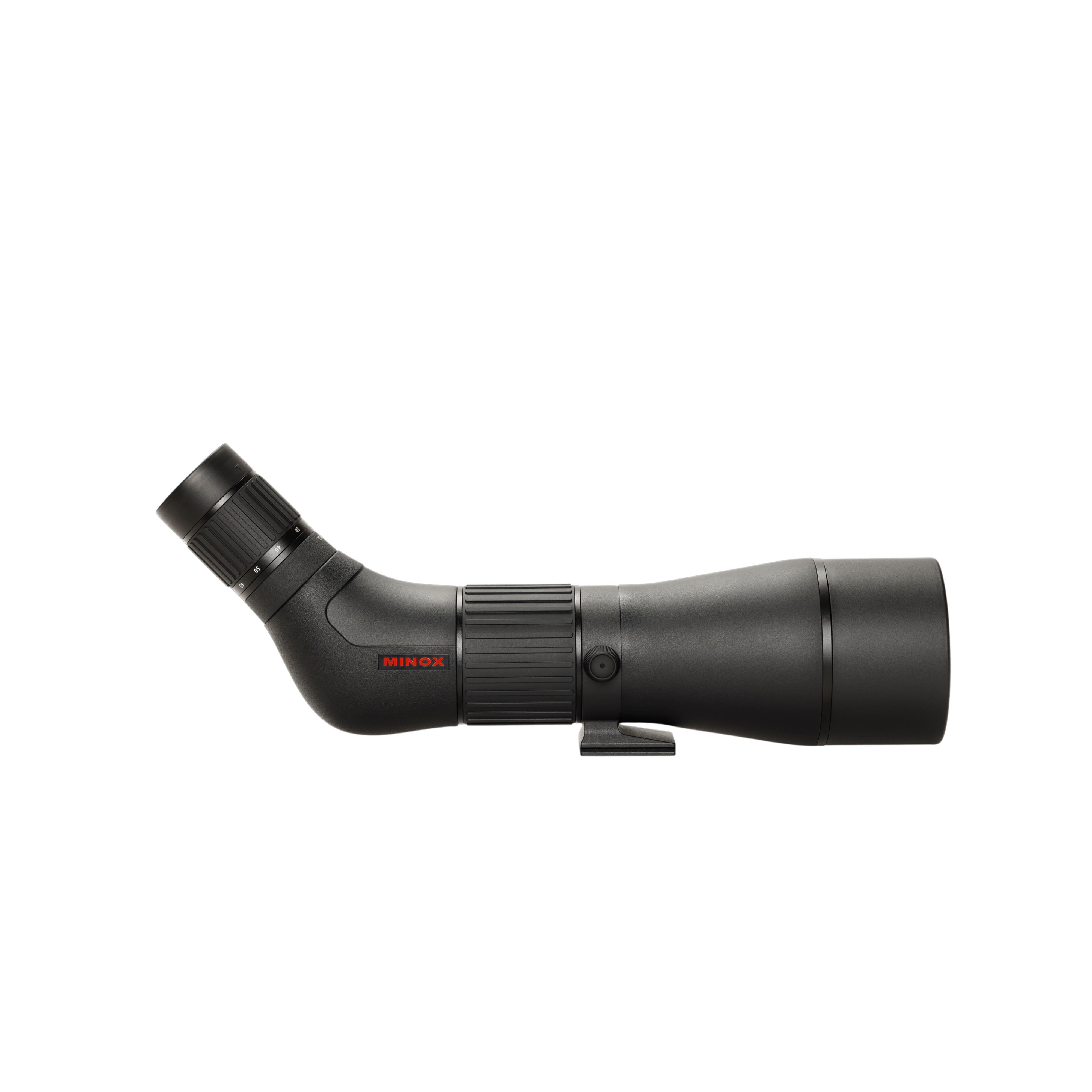
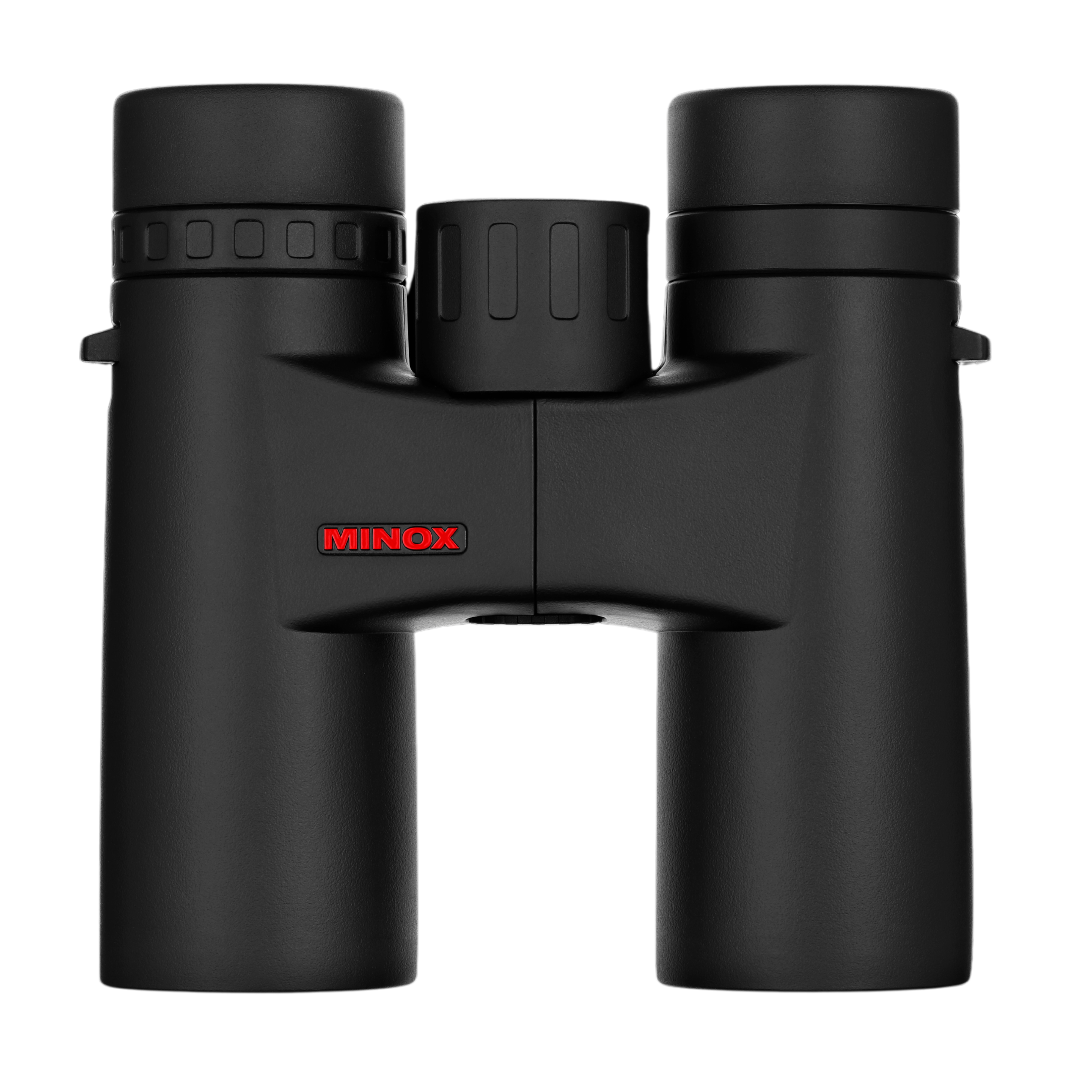
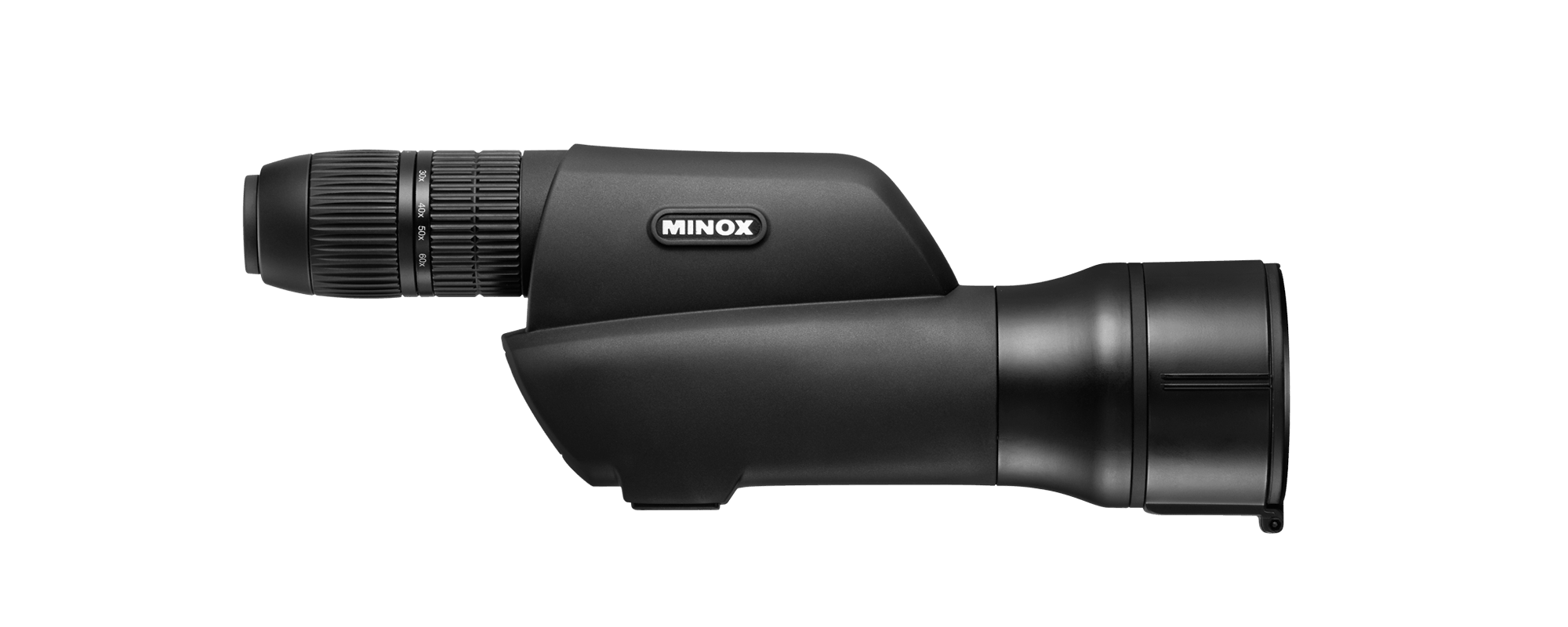
A large group of bird enthusiasts gathers at 11 a.m. sharp at Am Falm in front of Optik Kaufmann in the Oberland. Armed with MINOX rental binoculars and the MINOX Spotting Scope 20-60x80 ED, the group sets off for the ferry. The amateur ornithologists crowd onto the seemingly small boat, carrying folded tripods topped with impressive spotting scopes and cameras that span the width of their shoulders. The dynamic wind causes the fully loaded boat to rock noticeably over the waves, to the delight of some and the dismay of others. The crossing of just under a kilometer takes only a few minutes, and as soon as the boat docks at the dune harbor, the first special sight can be admired.
A black guillemot swims together with a common scoter in the wind-protected harbor basin. The former has been coming to the island and the dunes for several years now, males and females alternating, but never at the same time, so the tense wait for potential offspring continues. With the naked eye, only a black and a white dot can be seen, but binoculars help considerably, and with a spotting scope, it is as if you were standing just a meter away from the animals. In detail, the plumage can be examined, and, for example, the age determined.
Expertise and foresight
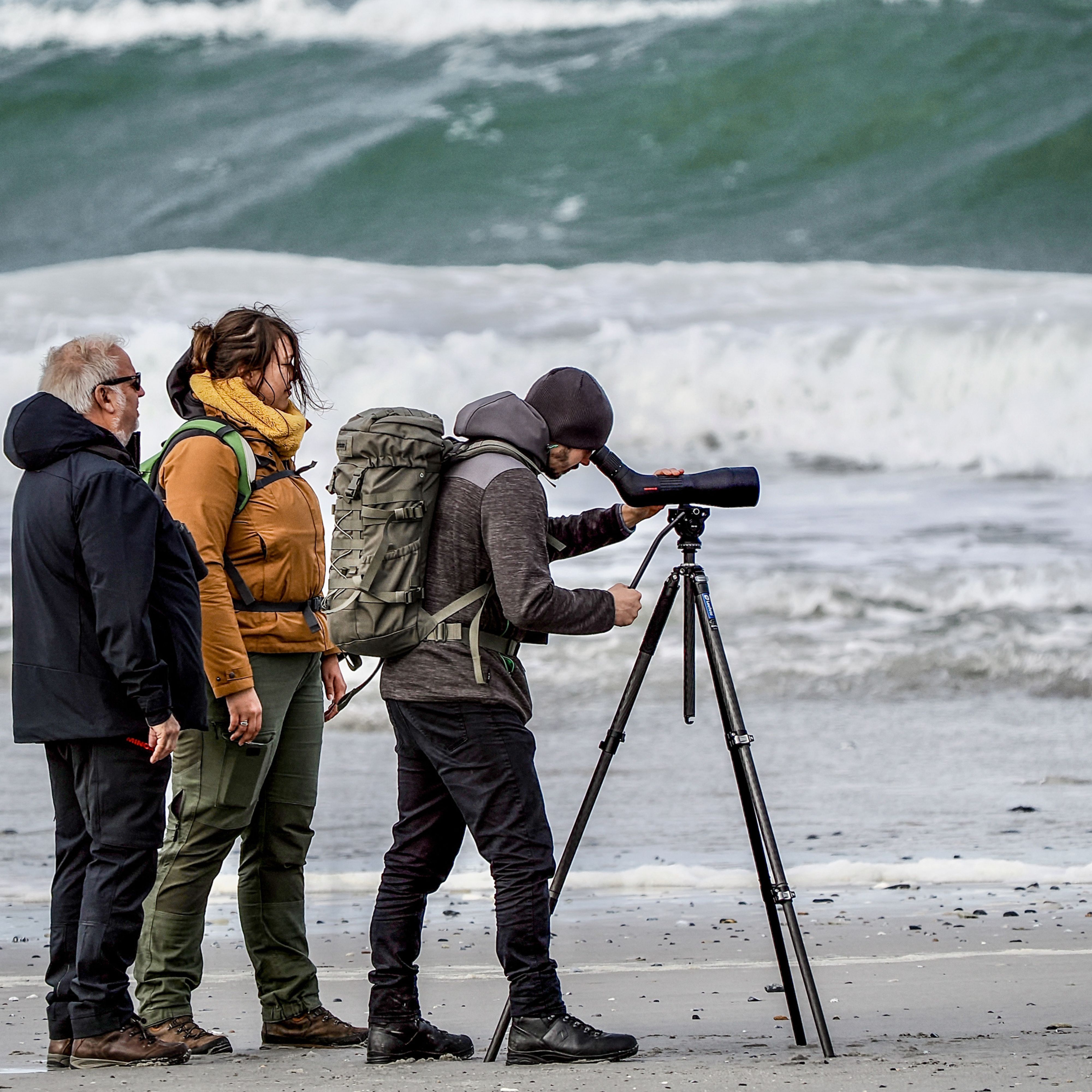
Of course, as a layman, you would be completely overwhelmed by this; even if you could recognize the species, further identification would be impossible. Once again, the group was given an expert guided tour by Arctic expedition leader, nature photographer, and hobby ornithologist Sven Achtermann. Still along the harbor wall, we discover the first seal pups. In addition to birds, Sven is also very knowledgeable about seals and explains the differences between the two resident species, harbor seals and gray seals. The two seal pups that we see, are now on their own, left by their mother. The shape of their backs reveals whether the animals have a serious infectious disease and probably succumb to it. It will be some time before the gray seals can be expected to produce offspring. Signs warn against approaching the animals at less than 30 meters. The south beach is still deserted, the long sandy beach is almost empty, but a few marine mammals are floating in the gentle waves. They can be identified down to the last whisker with the 60x magnification of the spotting scope. The large field of view of up to 36 m still offers a good overview and makes it easy to track mammals and birds in their habitat.
A little feather study
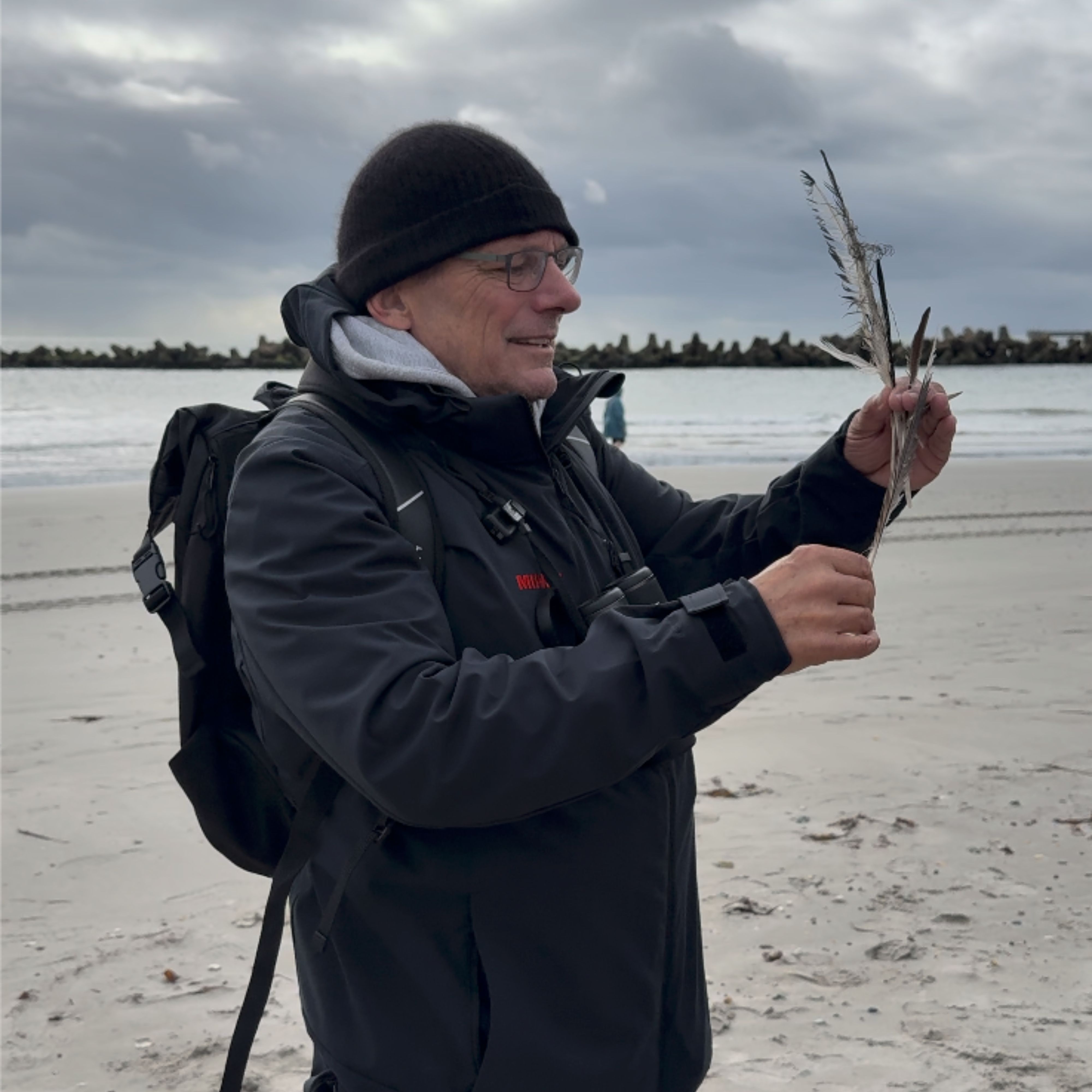
Between sand and seaweed, we collect some feathers. Sven can recognize not only which bird species a feather comes from but also its age and the exact location on the bird. With some explanation, it almost seems logical. We sniff cormorant feathers, which smell of tallow. And then there was the plucking of a young starling by a sparrowhawk, recognizable by the fact that it had not yet undergone its first molt. Of course, we left the feathers on the island afterward.
Note: You can find the full details about the feathers on our social media channel
The subtle difference
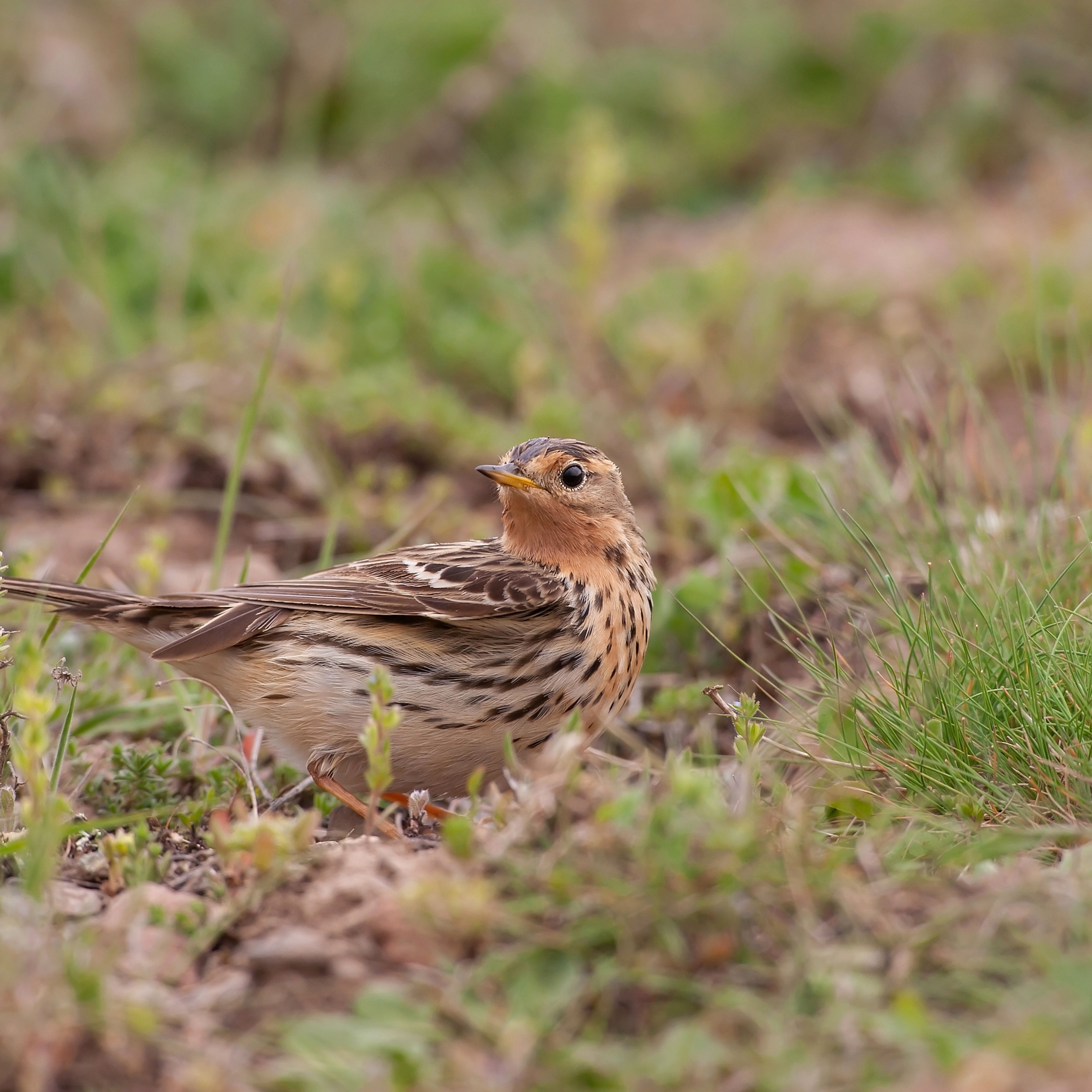
We head along the beach towards the end of the south beach, where ornithologists are gathered alongside the purple sandpipers that we spotted from afar. However, they are not looking at the sea or the gray seals basking in the sun, but at a flat area with marram grass in front of the dunes. This is where it is supposed to be at the moment, the red-throated pipit, the star of the day. Cameras and spotting scopes are set up in a wide semicircle, and we join in with ours. There it is, and everyone follows the dainty little bird as it hops back and forth between long grasses, sand dunes, and bushes. Its shimmering red breast makes it easy to distinguish from the meadow pipits that are also scurrying around. Despite the long distance, so as not to scare it away, the red-throated pipit is clearly visible in the spotting scope. The high imaging performance of the ED lenses delivers a color-accurate and high-contrast image, which makes the red-throated pipit's color stand out particularly clearly.
Missed opportunity
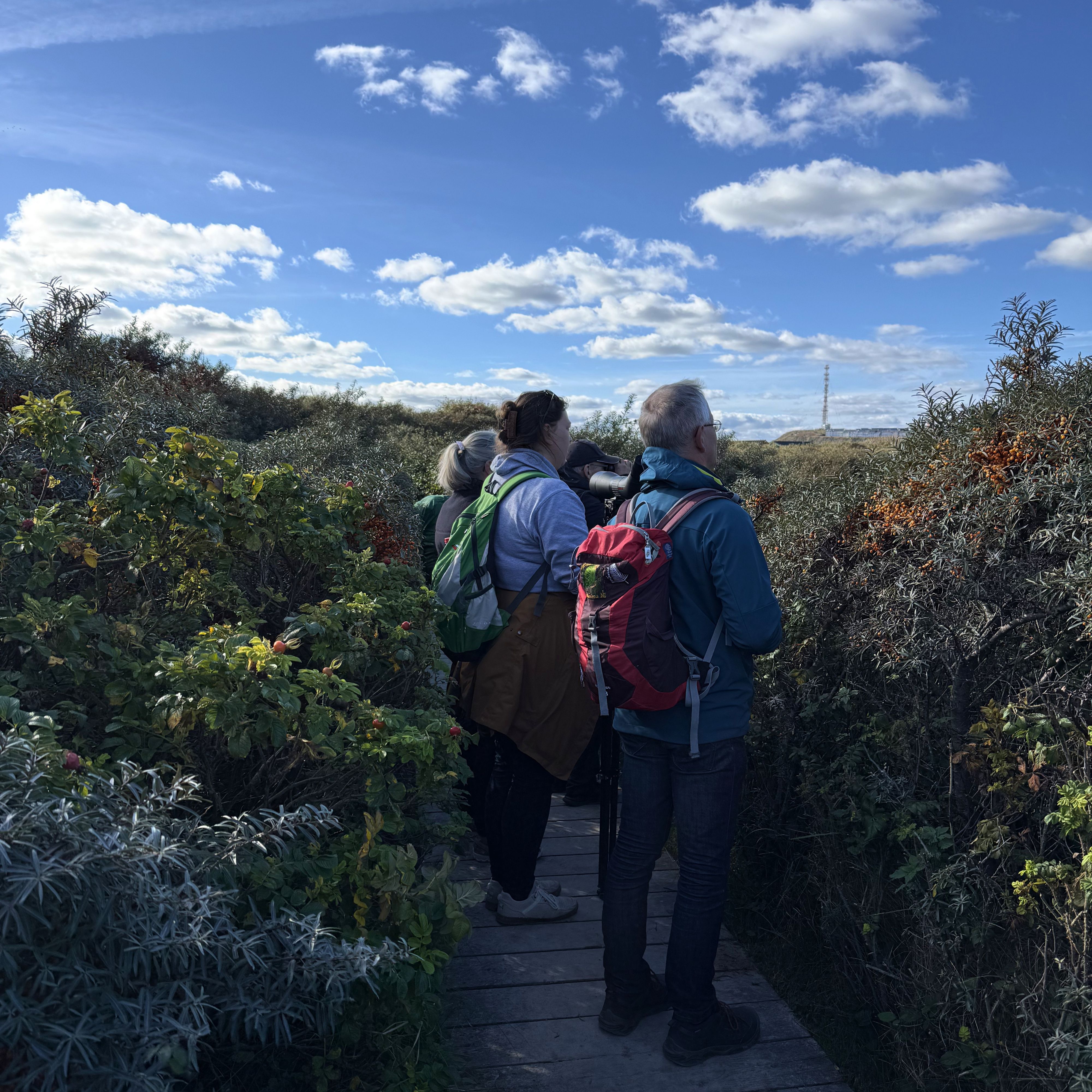
After a few moments, it disappears behind the tall grass. We carefully walk along the path through the sea buckthorn bushes into the center of the island. Leaving the re-throated pipit redstart behind, we come across the next crowd of people. At the small golf pond, named after the nearby mini-golf course, there is hardly a meter of free sight left. A common snipe is said to be visible here. With our binoculars, we try to spot it but are unsuccessful.
Large and small birds
One last highlight awaits us at the end: we turn toward Heligoland-Dune airfield, which connects the island to the mainland daily with small aircraft all year round. At the edge of the runway, a few european golden plovers are fluttering and running up and down. Their golden-spotted backs are particularly easy to see through the spotting scope.