
THE RACE BEGINS
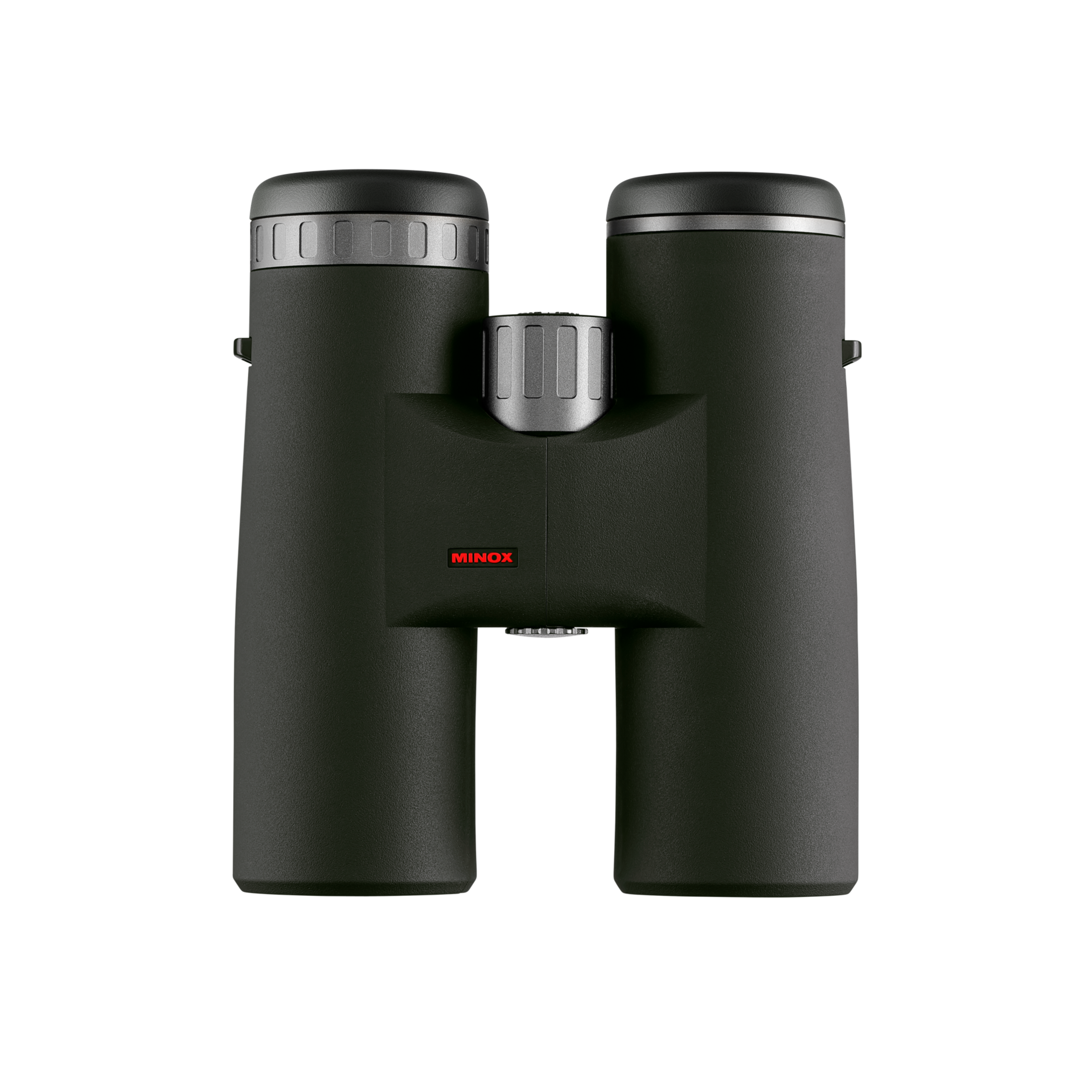
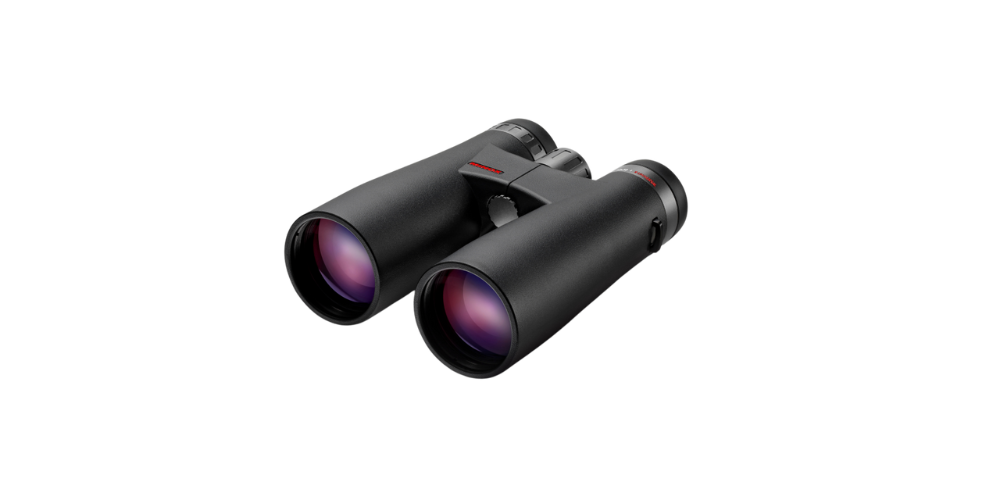
Bird Race on Heligoland with the X-PRO 8x42
Discovering what remains hidden to others – an attitude that defines the ornithologist, and one that is an essential prerequisite, especially at the traditional Bird Race of the Heligoland Bird Days.
The Early Bird
The 22nd Heligoland Bird Days, which took place from October 16th to 18th, 2025, reached their highlight on Saturday when the Bird Race prompted hobby-ornithologists to get up even before dawn. While the last stars still adorn the sky, the windows of the sea-facing hotels open. Positioned on windowsills some spotting scopes are directed outward so that the first bird species can already be ticked off while brushing teeth. The euphoria and competitive spirit can be felt across the entire island. Even before sunrise, Team MINOX – consisting of Sven Achtermann, Gerhard Krüss, Manuel Hartmann, and Andreas Jost – meets to discover as many different bird species as possible in a single day. In order to be counted, each sighting must be confirmed by three team members.
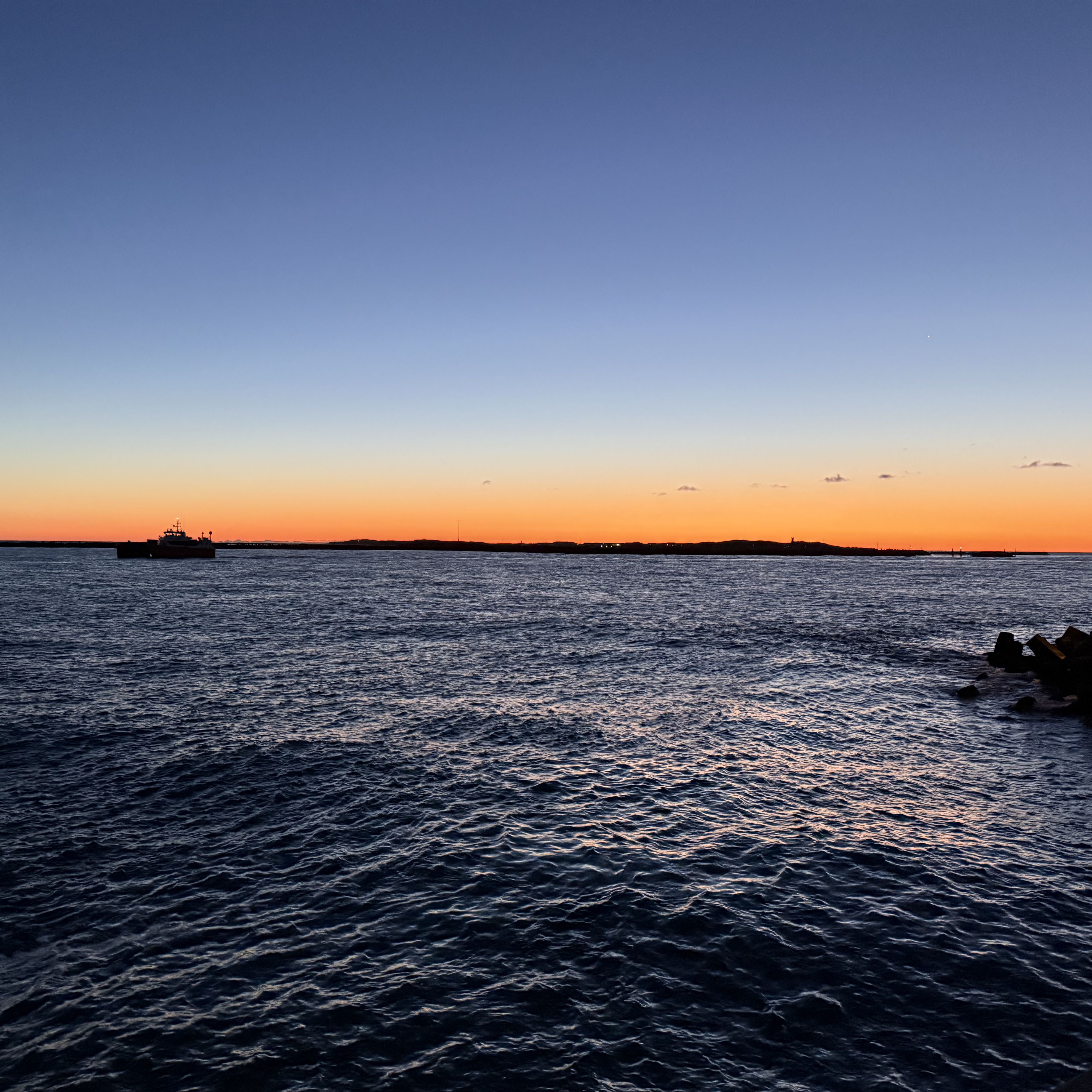
With brisk steps, the group heads through the spa gardens toward the North Beach. The partly shadowy silhouettes against the still dark gray-blue sky require special expertise in species classification. Arctic expedition leader and hobby-ornithologist Sven Achtermann brings this expertise. From distinctive flight movements and revealing hints of color in the sand, he identifies bird species without hesitation that to others appear just as fleeting shadows. This includes a Snow Bunting, still hidden in its shelter in the breaking dawn, but clearly visible with the MINOX X-PRO 8x42 and its close-focus distance of under 2 meters.
Seeing and discovering
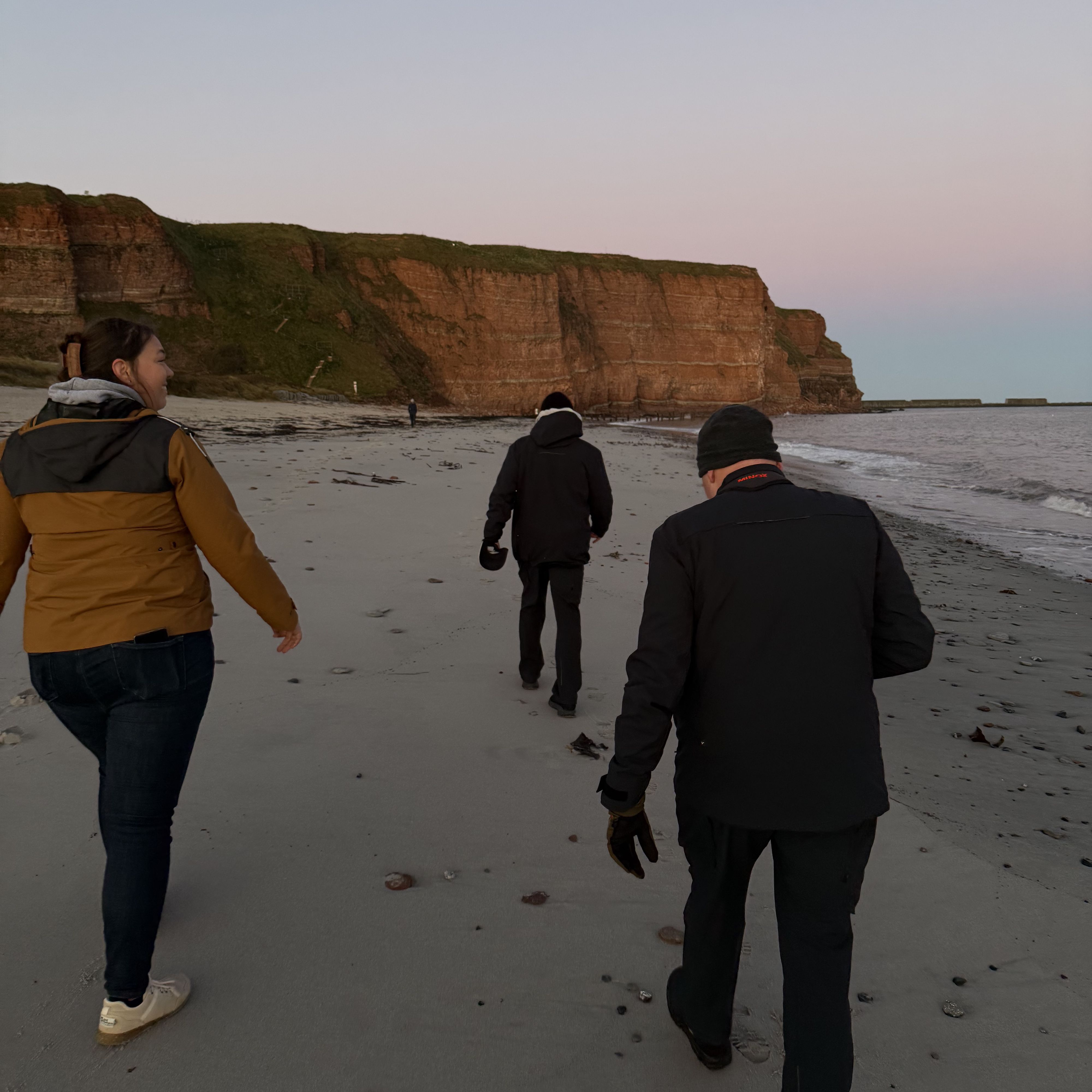
As the first rays of sunlight touch Heligoland’s red sandstone cliffs, there is already lively activity in both the Unter- and the Oberland. A total of 82 teams with 287 participants registered for the Bird Race. Not only were different bird species counted, but a total of €4,000 in donations was also collected for the Hellenic Ornithological Society, which is dedicated to the protection of wild birds and their habitats in Greece. Via the narrow brick staircase carved into the rock, the route leads from the Unterland up to the Oberland. By this point, Team MINOX has already spotted a good dozen bird species with the X-PRO and its wide field of view of 154 meters – from Common Eiders and Meadow Pipits to the almost ever-present Goldcrests. Even a Short-eared Owl circles for a while in the impressive scenery in the early morning. We leave the North Beach, where besides numerous birds, there is also a dead seal pup lying somewhat in the middle of the beach. A circle of stones maintains a certain distance. Touching such dead animals can transmit zoonotic diseases to humans, dogs, or other animals, and therefore they should not be handled. By the next morning, it will already have disappeared, and the lurking scavengers will have been fed.
North Beach
Via the narrow brick staircase carved into the rock, the route leads from the Unterland up to the Oberland. By this point, Team MINOX has already spotted a good dozen bird species with the X-PRO and its wide field of view of 154 meters – from Common Eiders and Meadow Pipits to the almost ever-present Goldcrests. Even a Short-eared Owl circles for a while in the impressive scenery in the early morning. We leave the North Beach, where besides numerous birds, there is also a dead seal pup lying somewhat in the middle of the beach. A circle of stones maintains a certain distance. Touching such dead animals can transmit zoonotic diseases to humans, dogs, or other animals, and therefore they should not be handled. By the next morning, it will already have disappeared, and the lurking scavengers will have been fed.
Higher, faster, further
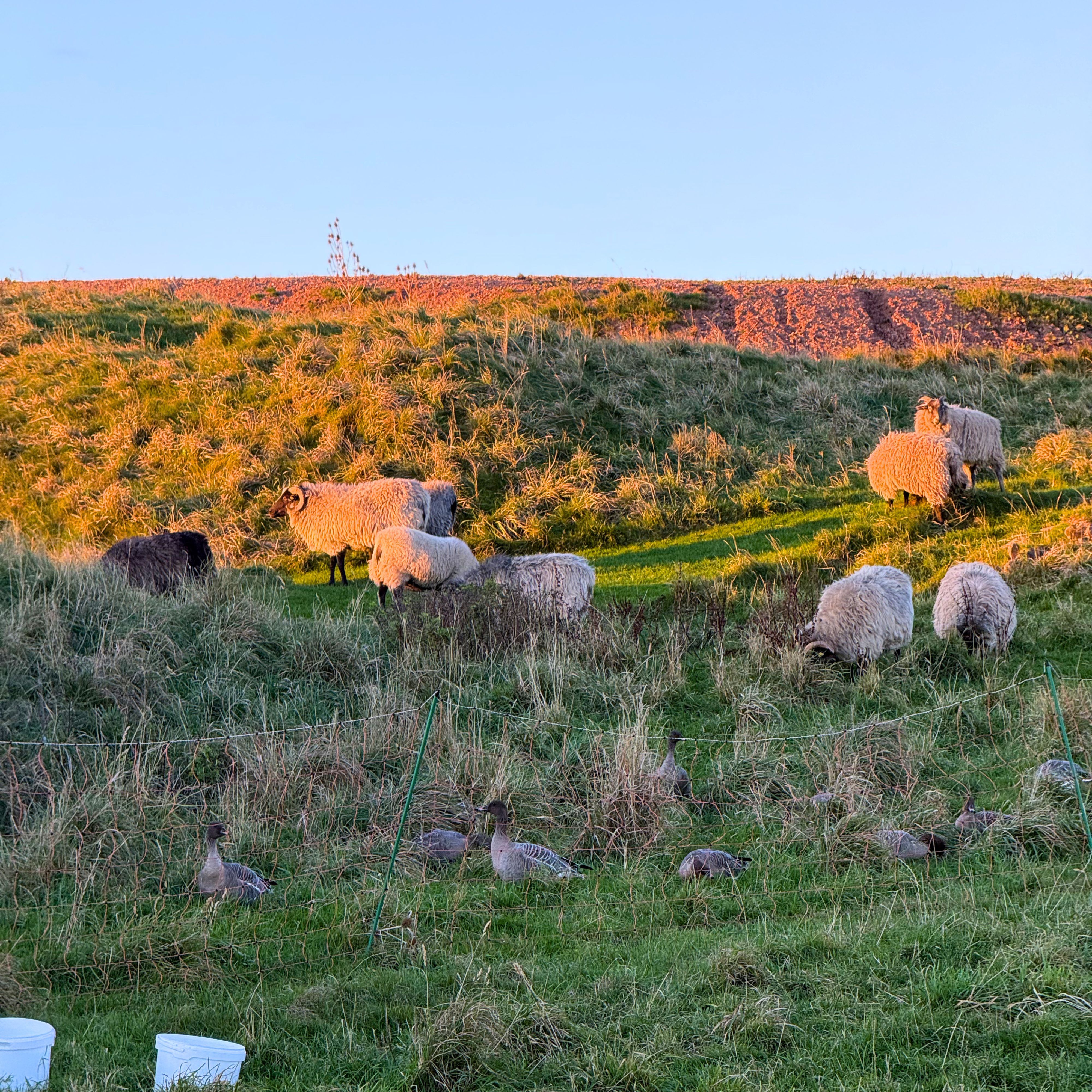
Between the deep scars that World War II left on the island with its bomb craters, a diverse flora and fauna has now established itself. A fixed part of the island’s image are the gray horned Heidschnucken sheep, which roam the island in herds and keep the grass in check. Although irrelevant to the Bird Race, they are an amusing sight on and beside the paths or in the bomb craters. Even greater joy, however, came from spotting Pink-footed Geese hiding in the slightly taller grass of a fenced allotment garden, avoiding the “paparazzi.” Eyes and ears remain almost hectically alert as the team works efficiently across the Oberland. Perhaps something can be picked up from other teams – a previously undiscovered species for the rapidly filling list. The Olive-backed Pipit present the day before has not shown itself this morning. Nor has the Tree Pipit, which had already caused a stir the previous day. Long waiting is the strategy of some; covering as much area as possible is the strategy of others, including Team MINOX. Forgoing the island elevator, they take the next staircase down to the Lower Land to catch one of the first ferries to the nearby Heligoland Dune.
Bird, ahoy!
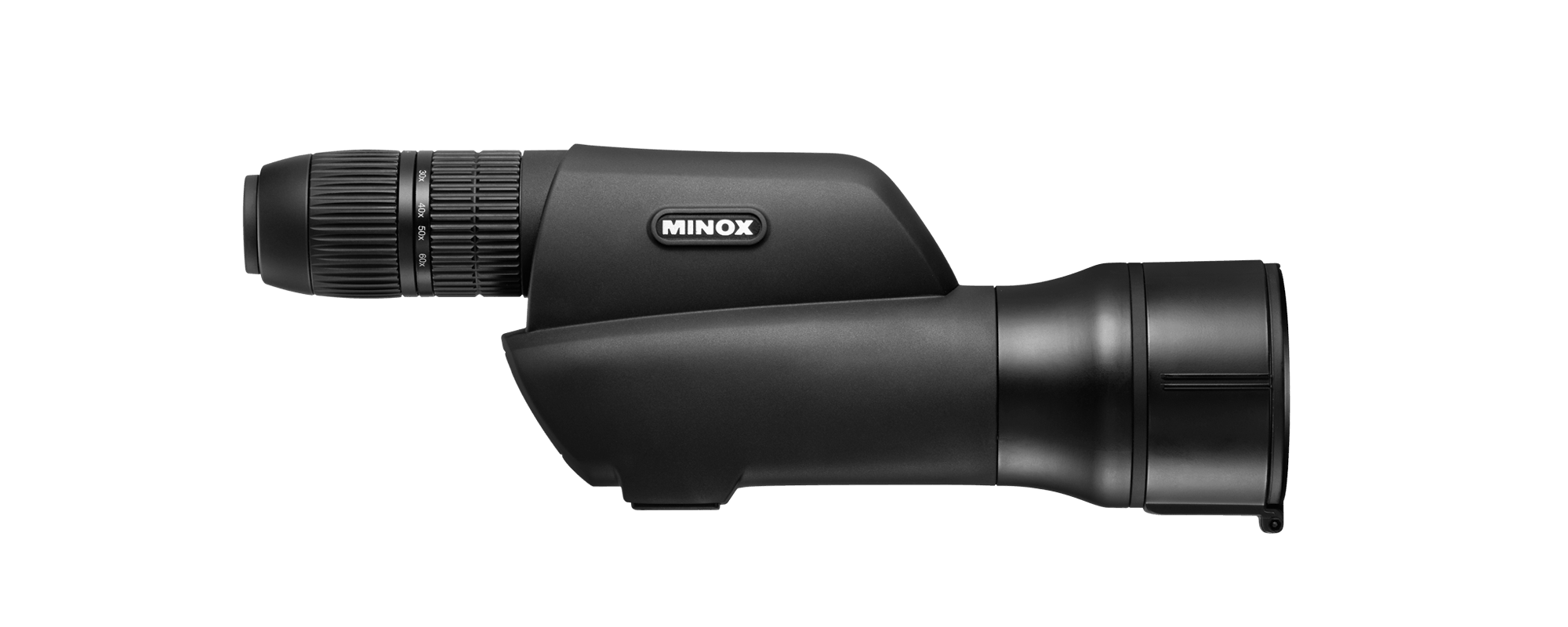
The rush is significantly greater than before. Once again, the boat seems to take on almost endless masses of people with spotting scopes and equipment. Even during the short crossing, everyone is on the lookout for another discovery. After landing on the neighboring island, the bird racers disperse. Meanwhile, Team MINOX has grown – though not officially. As part of a guided MINOX tour led by Sven Achtermann, not only can additional species be discovered, but the subtle yet important differences are also explained to interested participants. Just a few steps from the pier, seaweed collects in a breakwater – a paradise for birds foraging for food, especially migratory birds that appreciate the stopover on Heligoland to gather strength on their way south. Among them are several pipit species. Between the almost ever-present Meadow Pipits, the trained eye also finds an Eurasian Rock Pipit, which Sven quickly identifies and makes easy to recognize for the expedition participants through direct comparison. From the North Beach, which offers little that is new, the route leads into the interior of the dune. Hotspots of the day are the Golf Pond and the Grill Pond, which today attract not only many different birds but also a special concentration of spotting scopes, binoculars, and their owners.
Shoulder to shoulder
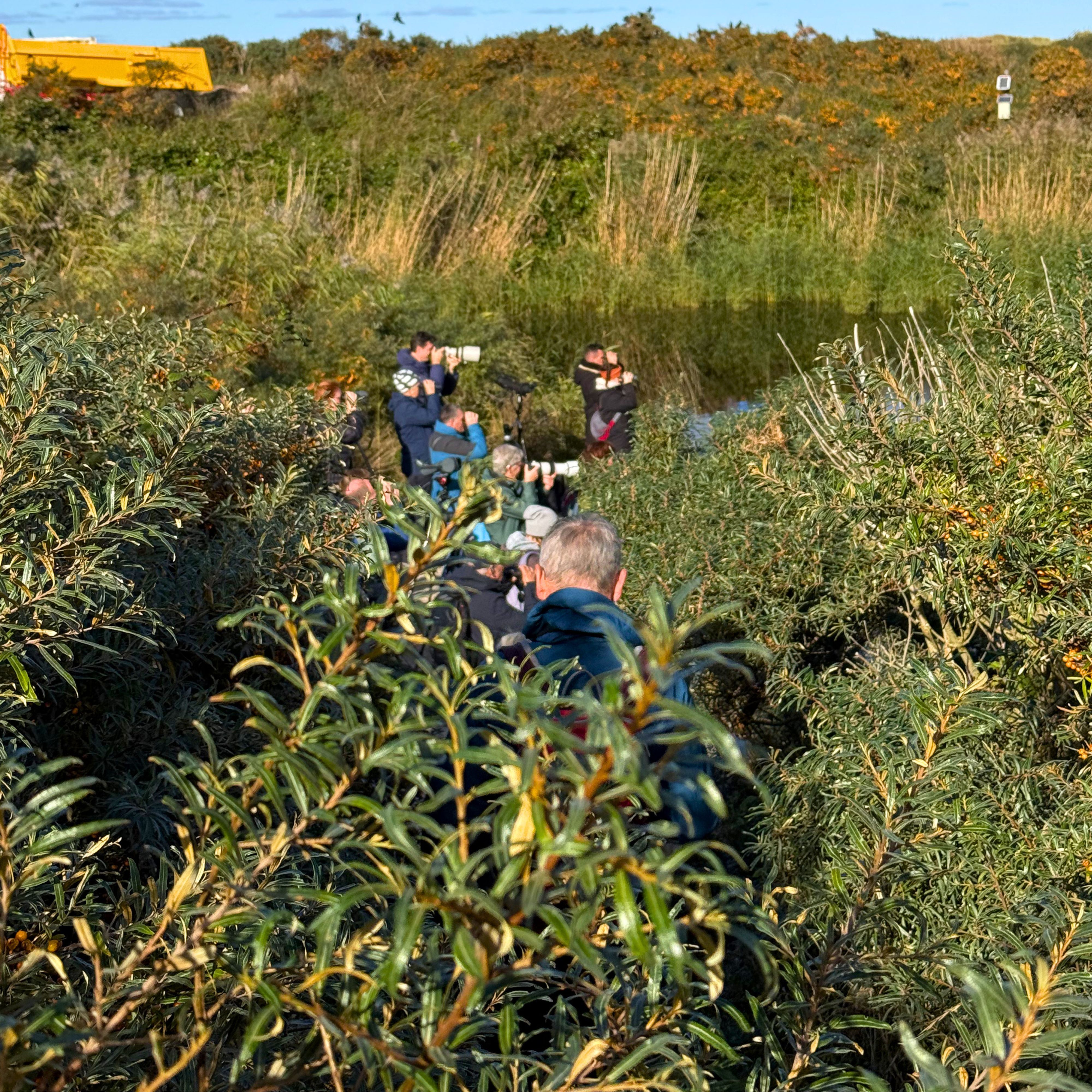
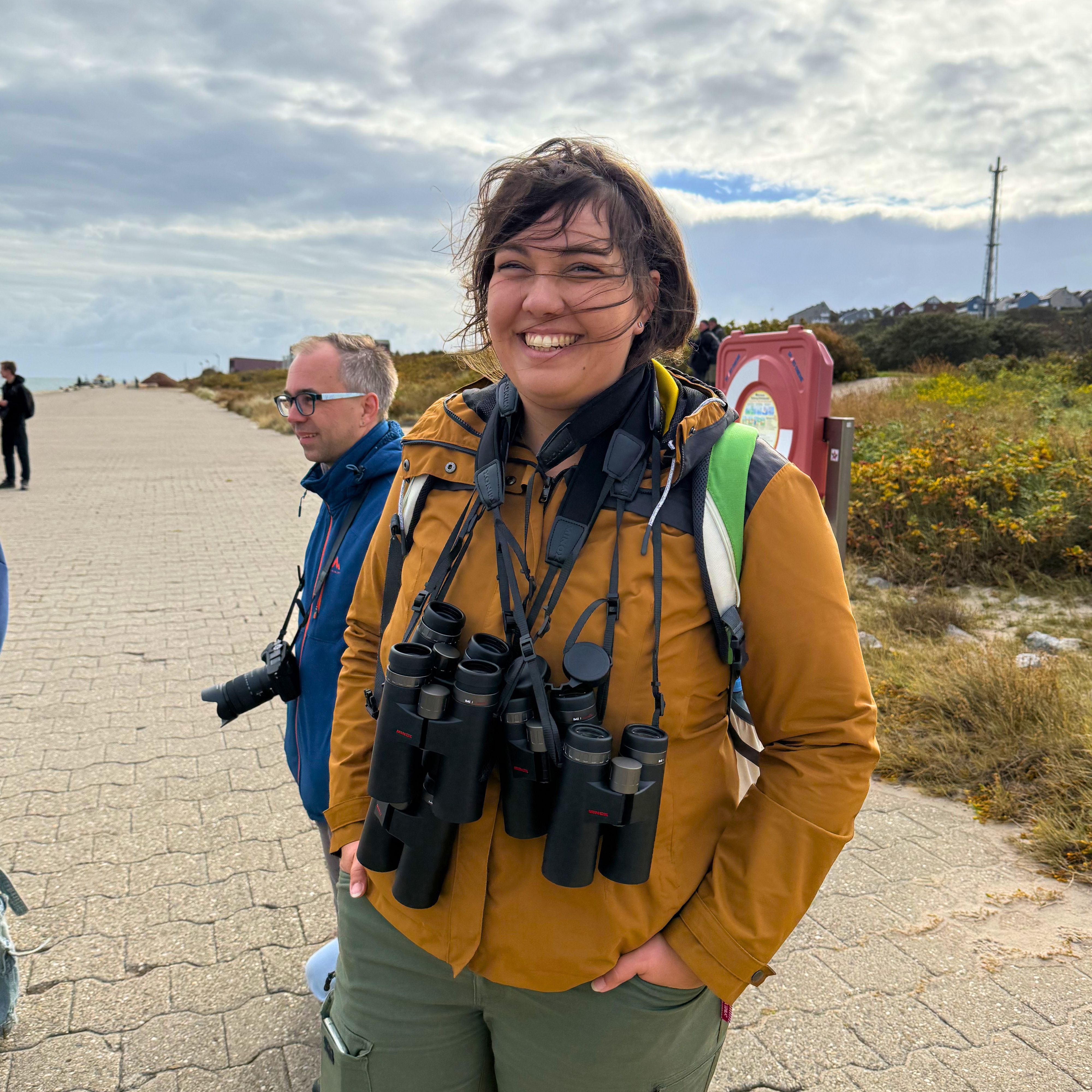
The Grill Pond lies hidden in a small hollow – idyllic when there is little activity. A narrow staircase, with boards inserted into the dune sand, leads down through sea buckthorn bushes. Or at least it would, if there were room to pass. People stand shoulder to shoulder all the way to the edge of the pond to observe what is happening between the water surface and the branches. The 8x magnification of the X-PRO, combined with the brilliant image of the ED lenses, nevertheless allows additional birds to be identified and ticked off the list even from some distance. At under 900 grams, the X-PRO is one of the lightest binoculars in its class and thus enables flexible use anywhere. Even without tripod or spotting scope, a Blue Tit and the somewhat more concealed Chiffchaff are quickly spotted. Too crowded for the large excursion group, the route continues across the island to the South Beach, where a Yellowhammer sits among some beach grass, surrounded by onlookers. Almost in passing, we can take a look at it with the X-PRO without having to join the crowd.